Blog

The Importance of Annual Insurance Reviews

An annual insurance review is one of the most effective ways to ensure cover remains aligned with your business’ needs. Over the course of a year, organisations may expand services, purchase new equipment, hire staff, relocate premises or adopt new technologies. Regulatory requirements may also shift. Without a structured review, policies can quickly become outdated, leaving costly gaps or unnecessary overlaps.

Why Annual Reviews Matter

An annual insurance review offers several important advantages for organisations seeking to maintain accurate cover, manage costs and strengthen overall risk resilience:

• Cost efficiency and clarity—An insurance review is not solely about increasing protection. It can also reveal duplicated cover, outdated policies or excessive limits that drive up premiums unnecessarily. At the same time, it helps prevent underinsurance, which could lead to reduced claims settlements. Reviewing policies annually also refreshes decision-makers’ understanding of terms, exclusions and conditions.

• Greater confidence and risk readiness—When leadership knows appropriate cover is in place, it strengthens stakeholder confidence. Clients, partners and employees can have confidence and peace of mind knowing the organisation has taken steps to prepare.

Key Areas to Assess

Although every organisation is unique, several core areas deserve attention during an annual review:

• Property and equipment values—Rising replacement costs or new assets may require updated sums insured.

• Revenue and turnover—Changes can affect business interruption and liability cover limits.

•Employee numbers and payroll—These may influence employers’ liability exposure.

• Vehicles and drivers—Ensure all are accurately listed under commercial motor policies.

• Cyber and data protection risks—Review cyber cover in light of evolving threats.

• Policy exclusions and endorsements—Understand what is not covered and consider whether additional protection is needed.

• Contracts, leases or structural changes—These may introduce new insurance obligations.

Making the Review Productive

To gain the most value, organisations should review current policies in advance and document operational changes from the past year. An experienced broker can provide valuable insight into regulatory updates, new types of cover that may be suitable and potential cost-saving opportunities.

Contact Us Today

Contact us today for a no-obligation insurance review. Our experienced team are here to support your business find the right cover for your requirements, we take the time to learn about your business and find a tailored solution.

Spring Home Maintenance

As the warmth of spring approaches, its easy to forget the damage that harsh winter may have done to your house. A bit of spring maintenance now can help to prevent costly repair bills later.
Inspect your roof

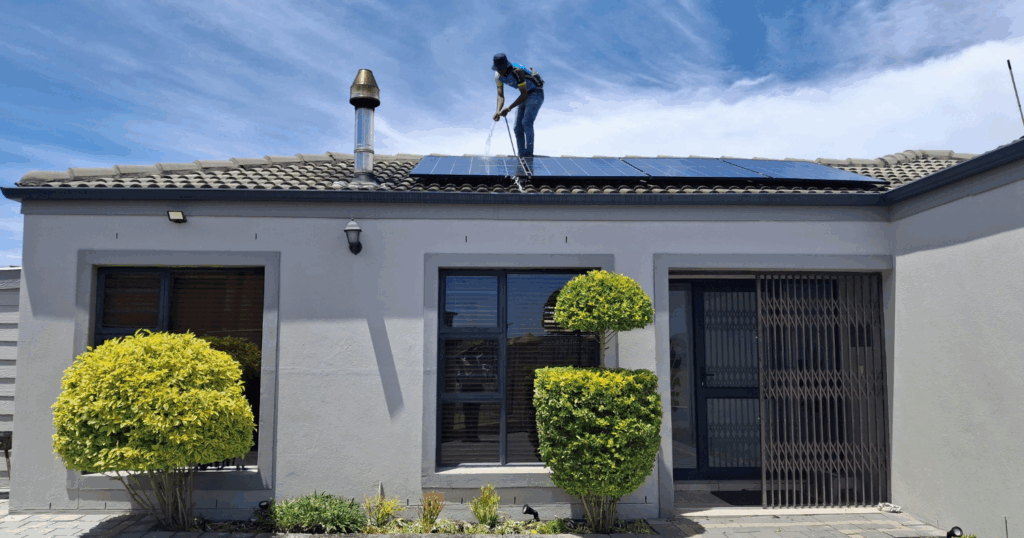
Repair any damage caused by ice or wind damage to prevent leaks during spring storms. You’re more than likely to see any damage without climbing onto the roof but if you’re concerned that there is damage, speak to a professional who will be able to take a closer look.

Clean your gutters

Regularly check and clear debris from gutters and drainpipes. This will prevent water from overflowing and reduce the risk of water damage.

Check your smoke detectors

Change the batteries in your smoke detectors and check that they are working correctly.

Beware of trees

Visually inspect trees for damage or rot. Remove dead or unhealthy trees, which could fall in heavy winds.

Maintain outdoor fencing

Repair or replace any damaged fence panels or posts and use a stiff brush to scrub away dirt, grime and mildew

Inspect wires

Check for damaged wires, loose sockets or cracked plugs. If you suspect anything is wrong, ask for a professional to double check and make any repairs

Prevent water damage

Check connection pipes and hoses on all water appliances such as dishwashers, sinks and toilets for fracks, leaks and dampness.

In the event that something was to happen to your property, having the right type of insurance in place can financially support you to make any repairs when an insurable event happens (e.g. fire, storm, flooding). Whether it’s home insurance, property owners insurance or a commercial property insurance policy you’re looking for, we’re confident that our team of professionals will be on hand to help.

Welcome Black Lion Broking Services Ltd!

At the end of December 2025, The Needham Group acquired Black Lion Broking Services.

Black Lion Broking Services was founded in 2016 and is owned by Simon Church and Lee Walstow, both of who will remain in leadership roles following the acquisition.

Based in Weybridge, Black Lion will remain in the local community, supporting new and existing clients with their business insurance.

Neal Lowe, Chairman of The Needham Group, comments:
“We’re thrilled to welcome Black Lion, its team and its clients to The Needham Group. Simon and Lee have built a highly loyal client base and an excellent reputation across Surrey and beyond.
Black Lion is a fantastic addition to our Group and is well positioned to accelerate its growth with the support of Needham and the wider TBIG platform.

Simon Church, owner of Black Lion Broking Services, adds:
“We’re delighted to be joining The Needham Group and the wider TBIG network. The partnership gives us access to a broader insurer panel and valuable support across compliance, sales, systems and marketing. Lee and I have spoken to a number of brokers already within the Group and have been impressed by the positive feedback on integration and post-deal support. We’re excited about the next stage of our journey and the opportunities ahead.”

Case Study: Supporting a Property Owner with a Property that’s Unoccupied for Months

A property owner contacted us after running into difficulty arranging insurance for a building they had purchased as a renovation project. The plan was to carry out significant refurbishment before moving into the property, but during the works the building would be empty for several months.

Many standard property policies place strict limits on unoccupied buildings. Once a property has been empty for a certain period—often 30 or 60 days—cover can become restricted or in some cases removed altogether.

Due to the property remaining empty for a while, the owner found that several insurers were unwilling to offer cover. However, we were able to explain to the insurer our client’s renovation plans, the security arrangements in place and the expected timescale for the project.

Therefore, we were able to arrange:

  • A policy for the unoccupied property undergoing refurbishment
  • Protection towards damages from fire, escape of water and vandalism whilst the work is being carried out

If you found it difficult to find cover for your property, business or home, get in touch with our experienced team today. We’ll do the hard work and try our best to find you a policy that meets your requirements.

Cyber Insurance: Why Nuneaton Businesses Must Take the Threat Seriously

Earlier this month, Higham Lane School in Nuneaton was forced to remain closed after a serious cyber-attack knocked out its entire IT infrastructure, including phones, emails, servers and key digital services used by staff and pupils. This disruption followed the weekend incident and extended the school closure into the first week of term as experts worked to restore systems safely.

While the full details of the breach are still being assessed, the impact has been immediate: lessons delayed, administrative systems offline and families scrambling to rearrange childcare. Local authorities confirmed independent cybersecurity specialists and relevant government agencies were called in, and recovery efforts are ongoing.

Cyber Attacks Aren’t Just a ‘Tech Problem’ — They’re a Local Business Risk

What happened at Higham Lane School should serve as a wake-up call to businesses across Nuneaton and Warwickshire. Educational institutions are increasingly targeted not because they hold corporate secrets, but because they are dependent on digital systems and often lack robust cybersecurity defences.

National surveys show that around 60% of secondary schools experienced a cyber breach or attack in the last year, a rate comparable to businesses overall. And this trend isn’t isolated — organisations across sectors, including retail, manufacturing and services, are reporting similar forms of disruption.

For local businesses, the implications are clear:

  • Operational downtime — if systems are compromised, normal business activities grind to a halt. Just as students couldn’t access essential tools for learning, employees could be locked out of critical business systems.
  • Financial loss — recovery costs include paying for expert remediation, ransomware demands in some cases, lost revenue and legal expenses. Without proper insurance, these costs come straight out of your bottom line.
  • Reputation damage — customers expect businesses to protect their data. A breach can erode trust and drive clients elsewhere.
  • Regulatory exposure — UK data protection law requires organisations to protect personal and sensitive data. Failure to do so can result in enforcement action and fines.

Cyber Insurance: — Essential

Cyber insurance is designed to cushion businesses against the financial and operational fallout from breaches and attacks. A Cyber Insurance policy may provide financial support towards:

  • Incident response and specialist forensics
  • Business interruption losses
  • Ransomware or extortion costs
  • Legal defence and regulatory fines
  • Customer notification and credit monitoring services

Given the rising frequency of attacks and the wide range of sectors affected, cyber insurance should no longer be viewed as niche — it’s a fundamental part of modern risk management, especially for small and medium-sized enterprises in places like Nuneaton.

What Local Businesses Need to Know Now

  1. Assess Your Exposure
    Cyber threats are not limited to big corporations or tech firms; any business with an online presence or digital systems is at risk.
  2. Invest in Prevention
    Strong passwords, multi-factor authentication, regular software updates, employee training and robust backups all reduce risk. These steps also help reduce premiums.
  3. Review Your Insurance Cover
    Speak with an insurance specialist — like the team at Needham Insurance Services — to evaluate whether your current policy includes adequate cyber protection or if a specific cyber insurance policy is needed.
  4. Plan for Incident Response
    Insurance isn’t a substitute for preparedness. Combine coverage with a tested response plan so that if a breach occurs, you can minimise disruption and cost.

The Higham Lane School incident in Nuneaton isn’t just a story about education — it’s a timely reminder that cyber threats are real, local, and increasingly sophisticated. Businesses that delay strengthening their cyber resilience and securing appropriate insurance exposure risk operational, financial and reputational harm.

At Needham Insurance Services, we help local businesses in Nuneaton and the surrounding areas assess their cyber risk and find the right insurance solutions to protect their future.

Underinsurance – a hidden threat

Robust insurance cover is necessary for all businesses to help towards protecting them from unexpected threats from fire, flood or criminal activity both physical and digital.

A single uninsured event—can potentially cause severe financial disruption, halt operations and, in some cases, threaten long-term viability. Yet, despite these risks, underinsurance remains a frequently overlooked vulnerability.

Common Causes of Underinsurance:

Several factors contribute to underinsurance in SMEs, including the following but not limited to:

Outdated property valuations—SME business owners may overlook the need to regularly update the value of their buildings, equipment or inventory, resulting in cover limits that no longer reflect current replacement costs.

Business growth without policy updates—SME business owners may add staff, locations or assets without adjusting their insurance cover, leaving new exposures unprotected and increasing the risk of uncovered losses.  

Misunderstanding policy terms—SME business owners may misinterpret complex policy language, leading to incorrect assumptions about what is covered, when cover applies and how indemnity limits are structured.

Focusing solely on premiums—SME business owners may focus on minimising insurance costs without considering the implications of reduced cover limits, broader exclusions or how higher excesses compromise cover.

Neglecting emerging risks—SME business owners may fail to account for new threats such as cyber-attacks, climate-related events or supply chain disruptions that may not be covered under standard policies.

The Consequences of Being Underinsured:

The financial and operational consequences of underinsurance can be significant. SMEs may face:

Partial or denied claims— Insurers may not fully cover the cost of losses if cover limits are too low or exclusions apply, leaving the business responsible for the uncovered portion. Or, insurers may cover the claim, but will cover a percentage of the claim by how much you were underinsured. For example, if a property was insured for £100,000 but it should have been insured for £200,000. Insurers will cover 50% of the claim as the property was underinsured.

Prolonged downtime—Without adequate business interruption cover, a business may struggle to meet ongoing expenses during recovery, increasing the risk of sustained operational disruption or permanent closure.

Legal and regulatory exposure—Insufficient liability insurance can leave businesses vulnerable to legal claims and regulatory penalties, particularly in sectors subject to strict compliance requirements.

Reputational damage—Delays in service or failure to meet obligations due to uninsured losses can erode customer trust and harm long-term relationships.

Strategies to Avoid Underinsurance

To minimise the risk of underinsurance, SME business owners should routinely reassess their insurance cover, particularly after operational changes such as expansion, new hires or equipment upgrades. Obtaining professional appraisals of property and assets is also essential, especially during periods of inflation or supply chain volatility.

Additionally, SMEs should evaluate whether their existing policies account for emerging risks like cyber-threats, climate-related events or evolving liability exposures.

Work With a Knowledgeable Insurance Broker

SME business owners should carefully examine policy terms and understand exclusions to reduce the risk of insurance shortfalls. Working with a knowledgeable broker can help uncover overlooked insurance gaps and ensure that cover closely aligns with the SME’s current operations, assets and evolving risk landscape.

Contact our team for a free audit of your insurance covers to make sure your cover is sufficient to protect your business needs. Call us on 02476 326213 or complete our enquiry form and we’ll be in touch with you as soon as possible.

Why Cyber Insurance Matters More Than Ever: Protecting Your Business with Needham Insurance Services

Cyber threats have become a daily reality for UK businesses. Whether you’re a retailer, an online service provider, or a small professional firm, your business is at risk from data breaches, phishing scams, ransomware, and more. At Needham Insurance Services, we help businesses prepare for the worst by ensuring they have the right protection in place. Here’s why cyber insurance should be a vital part of your risk management strategy.

The Cost of Complacency

Recent cyber-attacks, such as the one that hit Marks & Spencer, illustrate just how damaging a single breach can be. In that case, operational shutdowns and stock market losses caused a ripple effect that will be felt for months. While high-profile companies may eventually recover, small- and medium-sized enterprises (SMEs) may not be so fortunate.

According to Cybersecurity Ventures, 60% of SMEs go out of business within six months of experiencing a cyberattack. This is not just about stolen data—it’s about the ability to operate, communicate, and recover.

Why SMEs Are Prime Targets

You might assume that your business is too small for hackers to notice. Unfortunately, the opposite is true. Here’s why:

  • SMEs often have weaker security protocols due to smaller budgets and limited IT support.
  • Hackers see SMEs as entry points into larger supply chains.
  • AI-powered scams are making phishing emails and social engineering tactics harder to spot.
  • Many SMEs lack staff training, making them vulnerable to accidental clicks on malicious links.

How Cyber Insurance Can Help

Cyber insurance goes beyond reimbursing you for lost data. A robust policy through Needham Insurance Services can include:

  • Immediate incident response and IT forensics
  • Legal support to navigate compliance and liability issues
  • Data recovery services to minimise downtime
  • Public relations and customer communication support
  • Business interruption cover to replace lost income

Having this support lined up can be the difference between a quick recovery and permanent closure.

A Wake-Up Call for UK Businesses

The National Cyber Security Centre (NCSC) recently issued guidance urging UK businesses to improve their digital hygiene, particularly around help desk password protocols. Social engineering continues to be one of the most effective methods hackers use to breach systems.

As attacks become more sophisticated and more frequent, now is the time to act.

Cyber Insurance Is Smart Business

Cyber insurance is not just about protection—it’s about demonstrating responsibility. It shows your clients, partners, and stakeholders that you’re serious about data security. In today’s climate, that could be a competitive advantage.

At Needham Insurance Services, we work closely with SMEs to tailor cyber insurance solutions that fit their business needs and budget. We also help clients implement preventative measures to reduce the likelihood of a breach in the first place.

If your business uses email, stores data, or processes payments—you are at risk. Cyber threats don’t discriminate by business size, and recovery without the right protection can be crippling.

Don’t wait until it’s too late. Contact Needham Insurance Services today to explore cyber insurance options that give you peace of mind and a path to resilience.

Do I need Cyber Insurance?

As the Needham Group, we were delighted to have Neil Barrett, the Managing Director of KE Computer Services, deliver us an excellent insight into Cyber Insurance.

With over a decade of experience in cybersecurity and IT management, Barrett helps businesses achieve Cyber Essentials certification, a UK government-backed cybersecurity standard. He collaborates closely with insurance experts to discuss the value and scope of cyber insurance in protecting companies from financial losses, reputational damage, and operational interruptions caused by cyber threats.

With technology woven into nearly every business operation, the risk of cyber threats has escalated, making cyber insurance an increasingly crucial safeguard. While having certifications like Cyber Essentials demonstrates a commitment to cybersecurity, it doesn’t offer the financial safety net that dedicated cyber insurance provides. Cyber insurance can help businesses recover losses due to cyberattacks, including ransomware, data breaches, and business email compromise.

Cyber incidents can have substantial consequences. Attacks on email or financial systems might halt operations, causing financial losses, reputational harm, and potential legal liabilities. Cyber insurance policies cover various aspects such as incident response, legal support, and recovery costs for lost data and business interruption. Even small businesses are frequent targets, often compromised through phishing or other deceptive tactics.

As cybercriminals use increasingly sophisticated methods, many businesses find that the cost of cyber insurance is a valuable investment in long-term resilience. In today’s landscape, cyber insurance can be indispensable, mitigating the impact of attacks and supporting faster recovery for both business and reputation.

For a more detailed explanation, follow the link to the full length presentation.

For any further information about Cyber Insurance or if you have any questions, please do not hesitate to get in touch with one of our team.

Cyber Security – Keep your business safe

4 Simple Cybersecurity Tips for Protecting Your Business

In today’s digital world, cybersecurity is a critical part of keeping your business safe. With threats like data breaches, ransomware, and phishing scams on the rise, protecting your business from cyberattacks is more important than ever. Here are 4 simple tips that every business should follow to improve their cybersecurity.


1. Use Strong Passwords

One of the easiest ways to protect your business is by ensuring that all employees use strong, unique passwords for their accounts. Weak passwords are one of the biggest vulnerabilities hackers exploit. 

A strong password should:

  • Be at least 12 characters long
  • Include a mix of uppercase and lowercase letters, numbers, and symbols
  • Avoid using common words or personal information (like birthdates or names)

Encourage employees to change their passwords regularly and avoid reusing passwords across multiple accounts.


2. Enable Multi-Factor Authentication (MFA)

Multi-factor authentication (MFA) adds an extra layer of protection by requiring users to provide two or more verification factors to access their accounts. Even if a hacker manages to guess or steal a password, MFA makes it much harder for them to gain access to sensitive systems or data.

Common forms of MFA include:

  • A code sent to a mobile device
  • A fingerprint or facial recognition scan
  • A security token or authentication app

Enabling MFA on important business accounts, like email or financial systems, greatly reduces the risk of unauthorized access.


3. Keep Software and Systems Updated

Cybercriminals often exploit vulnerabilities in outdated software to access business systems. One of the simplest yet most effective ways to boost cybersecurity is by regularly updating all software, operating systems, and devices.

Set up automatic updates where possible and ensure that all employees are using the latest versions of software. This includes antivirus programs, firewalls, and any industry-specific tools your business uses.


4. Train Employees on Cybersecurity

Your employees are your first line of defence against cyber threats. Regular cybersecurity training helps them recognize potential dangers and avoid risky behaviours. Training should cover:

  • Recognizing phishing emails
  • Avoiding suspicious links or attachments
  • Safely handling sensitive information
  • Reporting any suspicious activity immediately

Make cybersecurity a priority in your workplace, with refresher training sessions and updates as new threats emerge.


By following these 4 simple tips—using strong passwords, enabling MFA, keeping software updated, and training employees—your business will be better protected from cyber threats. For extra peace of mind, consider adding cyber liability insurance to your coverage. It can help mitigate the financial impact of a cyberattack and keep your business on track.

Navigating Industry-Specific Event Insurance

As an insurance broker specialising in event insurance, we’ve learned that each industry comes with its own unique set of risks and considerations when it comes to planning events. Whether you’re organising a corporate conference, a music festival, or a sporting event, understanding the specific insurance needs of your industry is crucial for mitigating risks and ensuring a successful outcome. In this article, we’ll delve into industry-specific event insurance considerations from the perspective of an insurance broker.

Corporate Events:

Corporate events, such as conferences, trade shows, and corporate retreats, often involve high stakes and large budgets. Insurance coverage for corporate events typically includes general liability insurance to protect against claims of bodily injury or property damage, as well as event cancellation insurance to safeguard against unforeseen circumstances that may disrupt the event, such as venue damage or key speaker cancellations. Additionally, cyber liability insurance may be necessary to protect against data breaches or cyber-attacks, especially if the event involves the collection and storage of sensitive attendee information.

Music and Entertainment Events:

Music festivals, concerts, and other entertainment events pose unique challenges due to the large crowds, dynamic environments, and potential for accidents or injuries. In addition to general liability insurance, event organisers in the music and entertainment industry may need specialised coverage such as liquor liability insurance if alcohol is served, performer liability insurance to protect against injuries or cancellations by artists, and weather insurance to mitigate financial losses due to adverse weather conditions that may affect attendance or outdoor venues.

Sports Events:

Sports events, including marathons, tournaments, and sporting exhibitions, require comprehensive insurance coverage to address the inherent risks associated with physical activity and competition. In addition to general liability insurance, event organisers may need participant accident insurance to cover medical expenses for athletes and participants injured during the event, as well as event cancellation insurance to protect against unexpected disruptions, such as adverse weather or venue unavailability. Specialised coverage for sports equipment, property damage, and liability arising from spectator injuries may also be necessary.

Weddings and Special Events:

Weddings, parties, and other special events require meticulous planning and attention to detail to ensure a memorable experience for attendees. Insurance coverage for weddings and special events typically includes general liability insurance to protect against accidents or injuries occurring during the event, as well as event cancellation insurance to provide financial reimbursement in the event of unforeseen circumstances, such as venue closures or vendor cancellations. Additionally, wedding insurance policies may offer coverage for lost deposits, damaged attire, and other wedding-related expenses.

Non-profit and Fundraising Events:

Non-profit organisations often host fundraising events, such as galas, charity auctions, and benefit concerts, to support their causes and raise awareness. Insurance coverage for non-profit events may include general liability insurance to protect against claims of bodily injury or property damage, as well as event cancellation insurance to mitigate financial losses due to unforeseen circumstances that may disrupt the event, such as inclement weather or vendor bankruptcies. Additionally, directors and officers (D&O) liability insurance may be necessary to protect board members and officers from personal liability for decisions made on behalf of the organisation.

Industry-specific corporate insurance considerations play a critical role in mitigating risks and protecting event organisers from potential liabilities and financial losses. By partnering with an experienced insurance broker who understands the unique needs of their industry, event organisers can ensure they have the right insurance coverage in place to safeguard their events and provide peace of mind for all stakeholders involved.

Motor Claims Notification Line

Call : 0343 5065 806